Lemon Curd Cheesecake
good news and bad news

The last time I made a cheesecake was many years ago. I remember that it had mascarpone and cream cheese in it. And I remember that it turned out beautifully. Luxurious and creamy and flavorful and everything was just right. So in my baker’s memory, that means I know how to bake a cheesecake. Well, when the last time you made a cheesecake was over 20 years ago, you might forget a few things.
But perhaps I am getting ahead of us both. First, let’s review.
Last week, for the first time, I made a reduced batch of Lemon Curd. Two different people, after reading my post, told me they love lemon curd and both times I still wondered how I had not tried it sooner. But at least we are friends now, Lemon Curd. Better late than never.
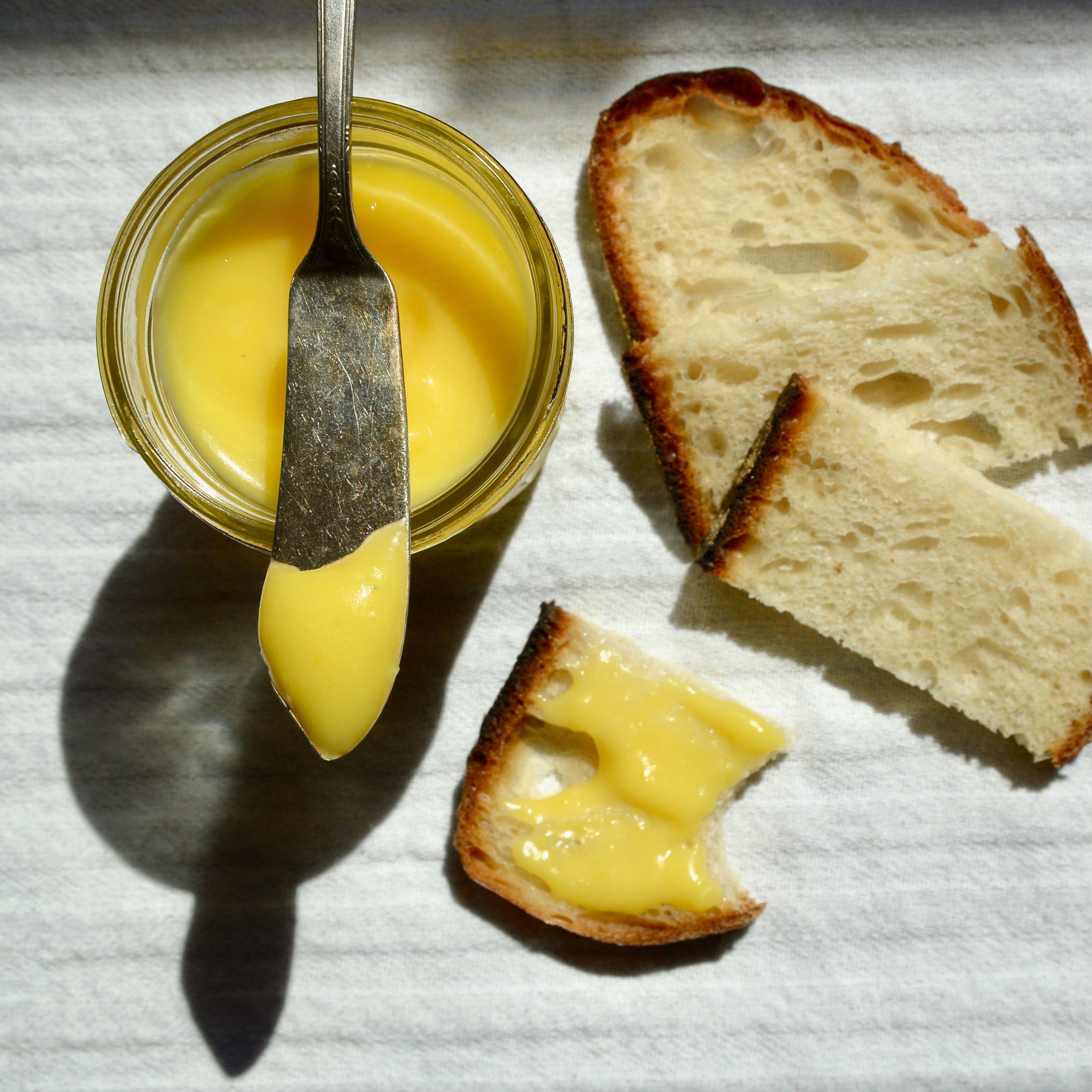
After taste testing my new lemon curd more times than necessary, I put it in the fridge and said “wait there, while I decide what to do with you.”
Since the Lemon Curd recipe came from Buttermilk By Sam, who is a self-professed lover of lemon, it seemed like her recipe box was a good place to start. I scrolled through some pictures and decided the Lemon Curd Cheesecake was most appealing. It was Sam’s Black Cocoa Cake that led me to acquire my four inch cake pan, so it seemed fitting to use it again for another one of her recipes. Also, her Lemon Curd Cheesecake recipe talked about pushing the crust into a wrinkled piece of parchment and it didn’t matter if it was messy.
I love when I get permission to be messy. I mean, I’m probably going to get messy anyway, but it’s so much nicer when it comes across as intentional.
So I went forth and made this Lemon Curd Cheesecake for my four inch cake pan and things were going pretty well for a while. But in the end, there was some good news and some bad news.
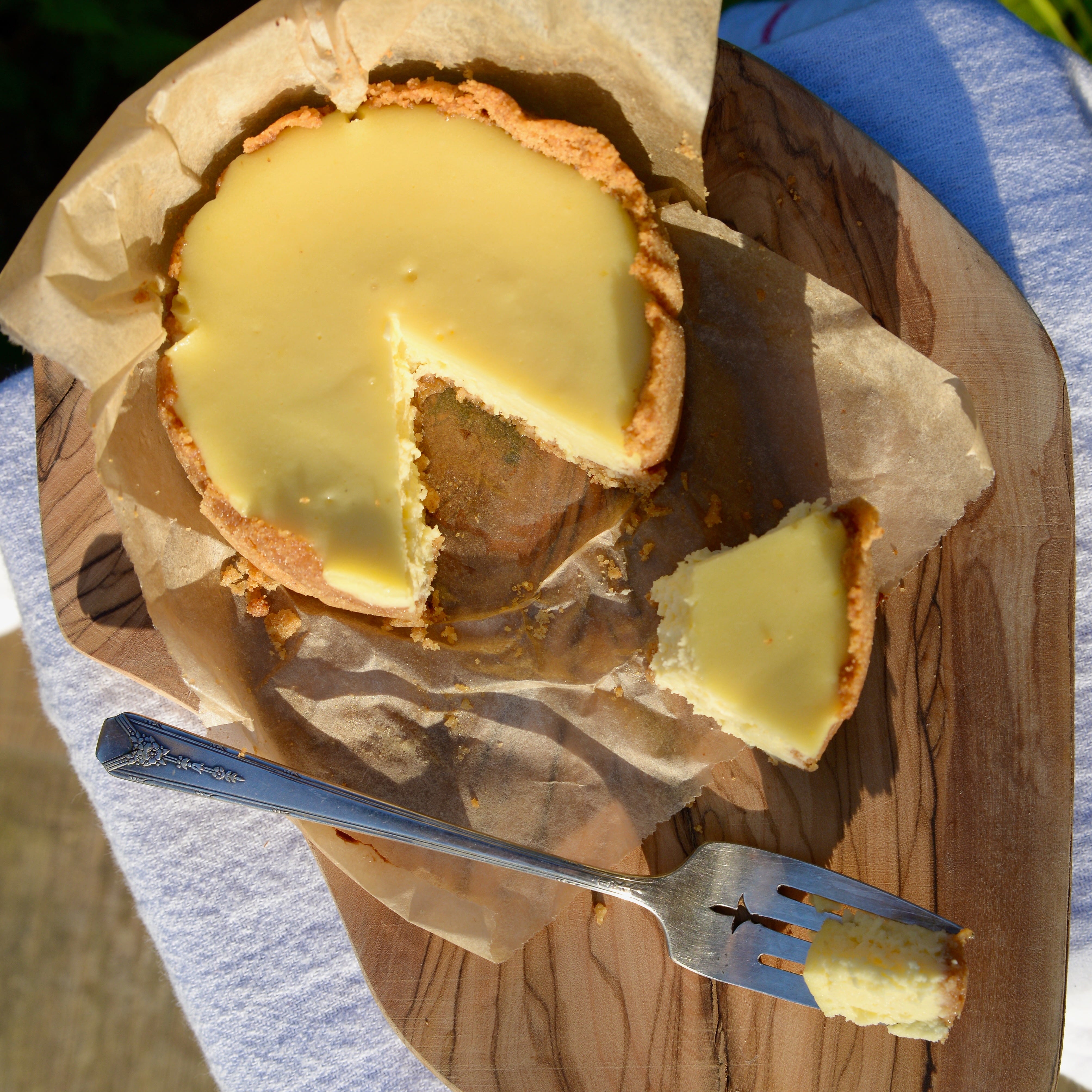
The good news: I made a gorgeous, yellow, lemon curd-topped lemon curd four inch cheesecake!
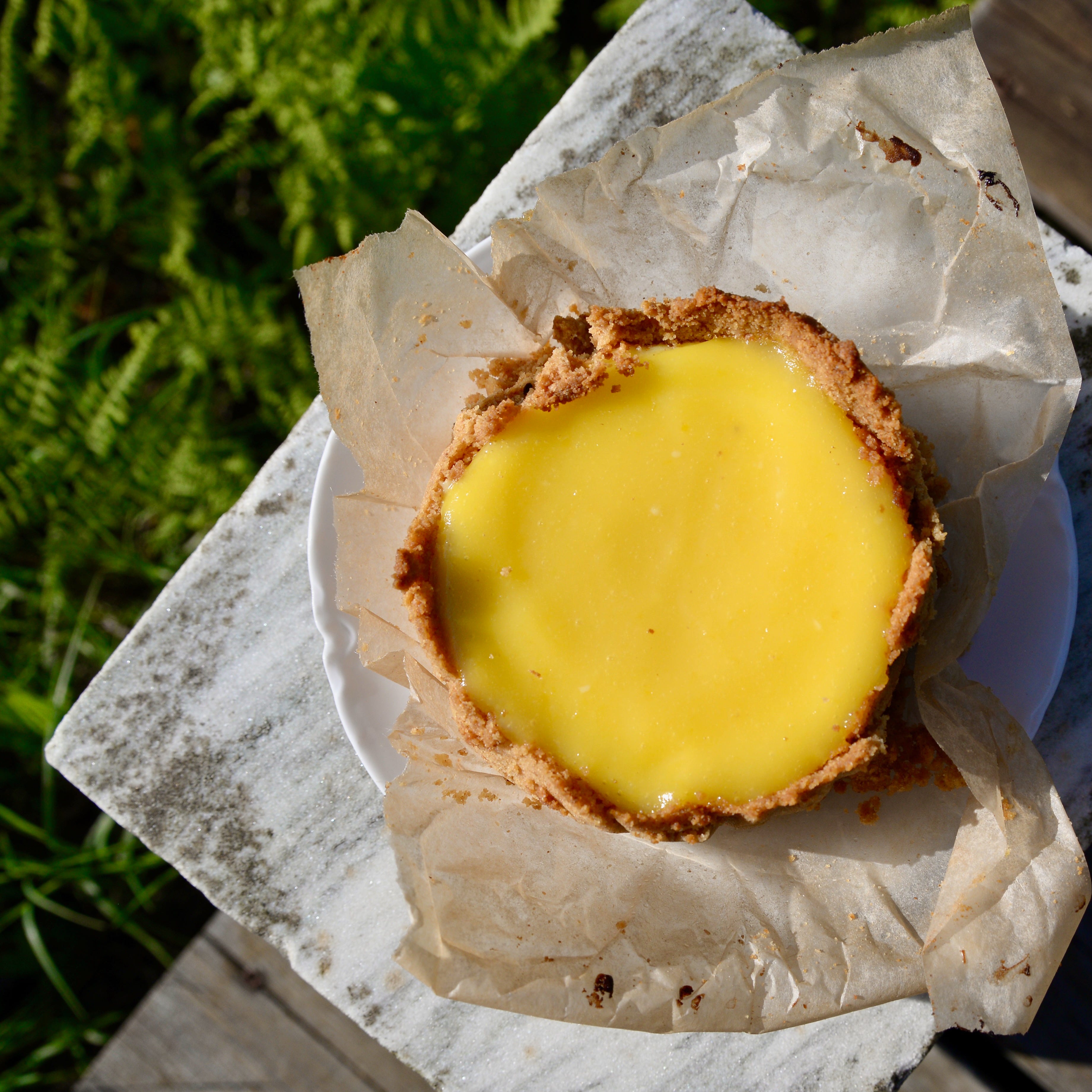
The bad news: I rushed the refrigeration time and it didn’t set. Argh! This made for terrible photos.
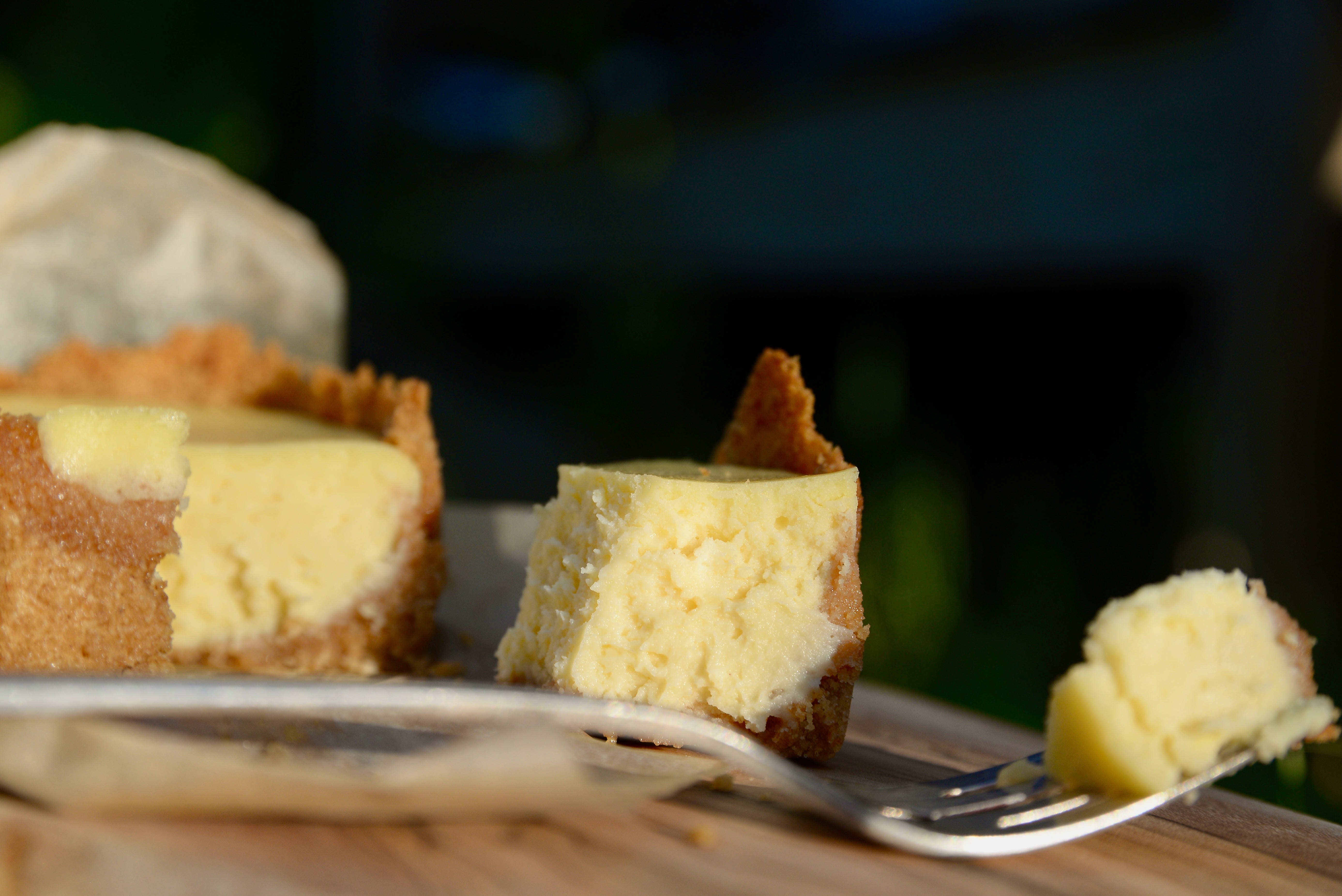
More good news: I made a second lovely four inch lemon curd cheesecake that set perfectly, which was firm and offered varied resistance to my fork as it sank through the cheesecake into the crust.
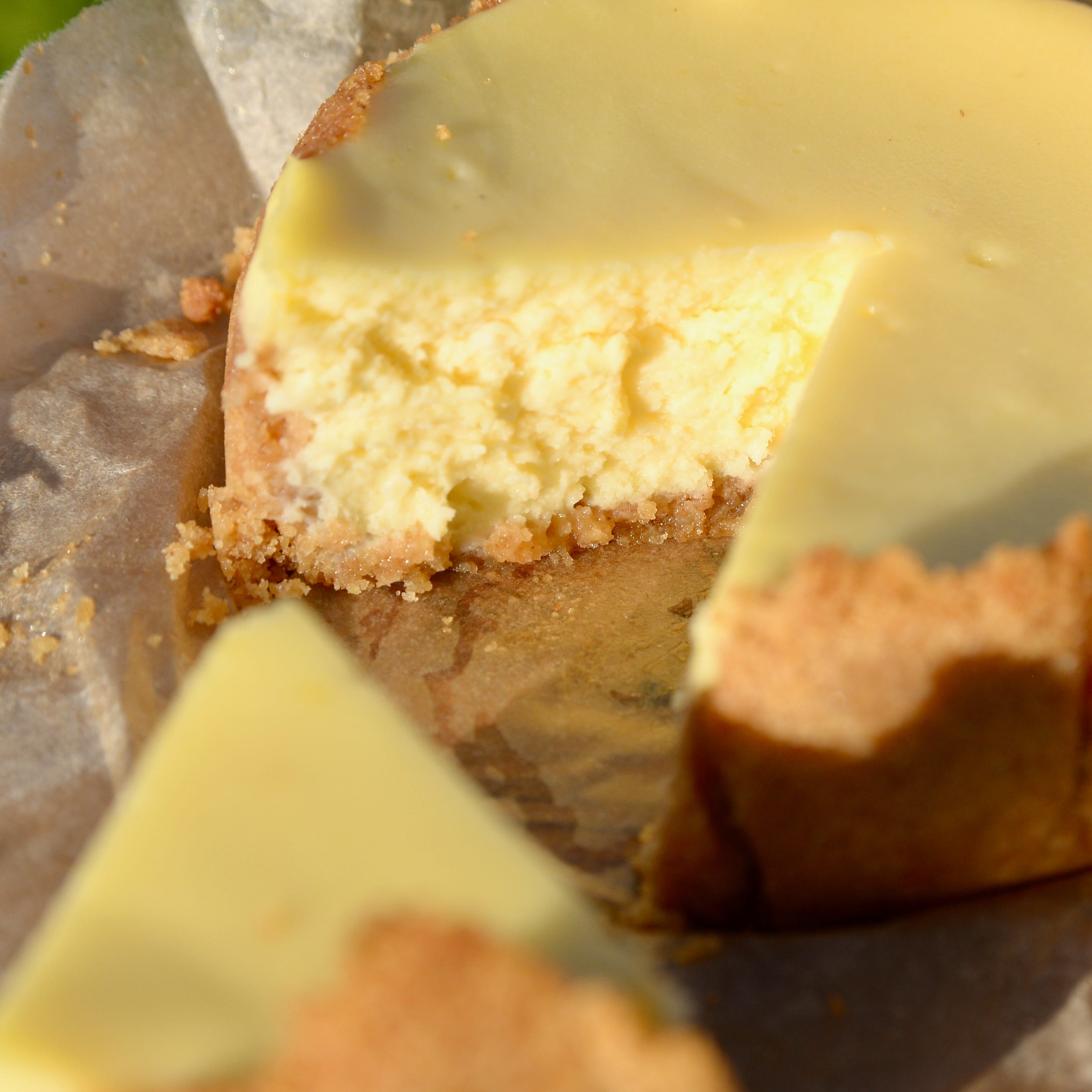
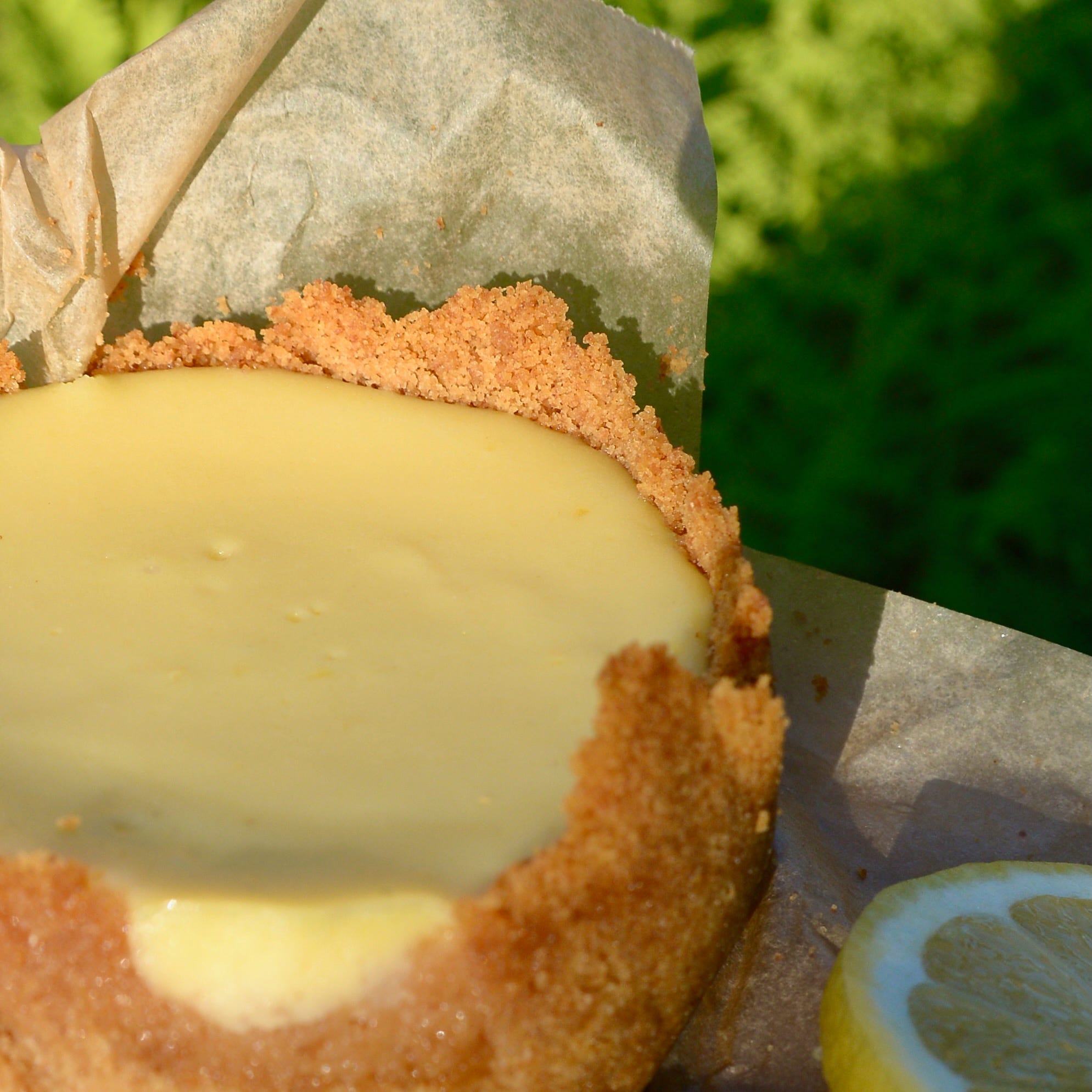
More bad news: I used up all of my lemon curd by this point, from too much taste testing last week and I had no more with which to make a vibrant yellow topping.
And finally, a bit of both good and bad news…when you take a recipe for an eight inch cheesecake and cut the ingredients in half, with the intention of having enough for a four inch cheesecake, sometimes it doesn’t come out as expected. There was enough filling for TWO four inch pans plus some left over. Fortunately, this means I had enough to make that second cheesecake.
At this point, I thought I should brush up on my cheesecake baking knowledge and I’m glad I did. Last week I talked about the process of the lemon curdling the egg, but not to the point where it clumped, just to the point where it thickened. A similar process is happening to the egg yolk in the cheesecake batter. As the egg is heated, the proteins start to uncurl and begin to clump. Not what you want in a cheesecake. The water and dissolved minerals in the ingredients coat the proteins and prevent the clumping. The sugar also helps slow down the clumping, and as the batter is exposed to a low heat for a longer period of time, the web of proteins that remain uncurled start to solidify in place, creating the texture of the cheesecake. “Lessons in Cheesecake Science” goes on to explain some other features of baking a cheesecake, but this made sense to me and helped explain why my cheesecake needed more fridge time.
The long slow exposure to heat helps firm up the batter, but it’s just as important to have a long slow cool down to establish that thick creamy texture as well. Baking your cheesecake in a water bath, at a low temperature for a longer amount of time then turning the oven off and letting it cool with the oven door cracked helps control the long slow exposure to heat. Then letting it come to room temperature and giving it some quality fridge time (and we’re talking hours, here, not the 45 minutes I gave cheesecake number one) just firms that custard to the right consistency.
So in case you’d like to try it with your own four inch cake pan, here is Buttermilk By Sam’s recipe for Lemon Curd Cheesecake, with the ingredient quantities cut in half, and here is how I made it happen (the second time).
ingredients
Crust
135g graham crackers
56.5g butter
Cheesecake
1 package of cream cheese (226g) at room temperature
50g sugar
1 large egg (50g) at room temperature
140g lemon curd
1 Tablespoon all-purpose flour
1 teaspoon vanilla
Pinch of salt
directions
Grease and line your cake pan with parchment
Preheat the oven to 350oF
Crush the graham crackers. I used the Magic Bullet…it sorta worked.
Melt the butter and add to the crumbs. Mix and then press into the bottom and up the sides of the pan
Bake the crust for 10 minutes. Reduce the oven to 325oF and chill the crust.
Beat the cream cheese and sugar together. I have recently acquired a hand mixer, which worked perfectly here, but the stand mixer with paddle attachment would be good too.
Add the vanilla, sprinkle some salt and beat to combine
Add the lemon curd and beat to combine.
Add the eggs and flour and beat until smooth, but not a second longer!
Pour the batter into the crust and put the pan into a water bath. I used a second larger cake pan with water that comes up the sides of the cheesecake pan at least half way.
Bake about 35 minutes. It’s done with it jiggles but the sides are set.
Turn off the oven and prop open the door with a wooden spoon. Let cool in the oven at least 30 minutes, then remove and let cool to room temperature.
Put the cheesecake in the fridge and chill overnight.
To add lemon curd to the top, spread a layer about ¼” thick and bake at 350oF for 10 minutes. Chill again for at least an hour.
So I definitely learned a few things from this experience. If cheesecake is a custard, then I do like custard (but I reserve the right to not like all of them). I can still bake a cheesecake after all these years, but following ALL the directions is important. There’s a reason they’re there. Clearly I forget this from time to time, but it is good to be reminded.